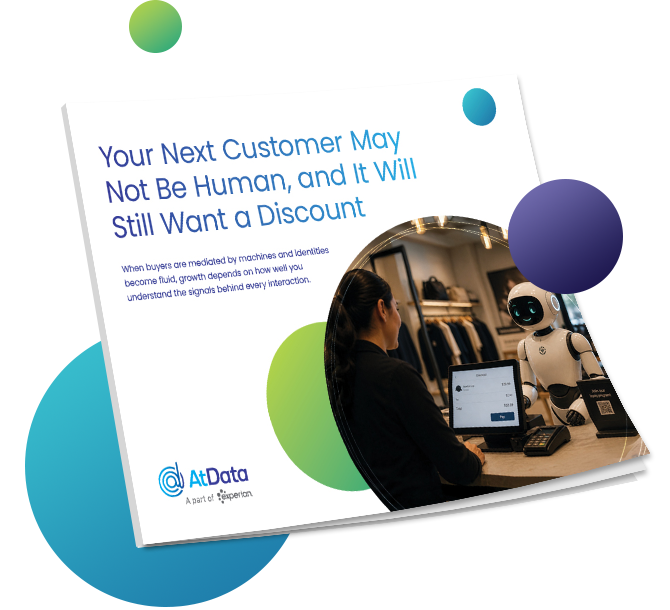
Somewhere, right now, a customer is evaluating your brand with complete focus, perfect recall, and absolutely no patience for your homepage animation. It isn’t scrolling. It isn’t hesitating. It isn’t comparing your product to three competitors in open tabs while checking reviews on a second screen.
It isn’t human.
And yet, in a quiet, efficient, slightly unsettling way, it is already deciding whether you deserve a place in the transaction.
Digital commerce was designed around human behavior
Curiosity, comparison shopping, persuasion, and the occasional irrational decision. But a new participant is entering the transaction. Not as a shopper, but as a representative.
AI assistants and autonomous agents are beginning to research, compare, negotiate, and purchase on behalf of consumers. They do not browse. They resolve. They evaluate signals, optimize for outcomes, and make decisions with remarkable efficiency.
What happens when your next customer no longer behaves like a person?
Inside this whitepaper, we explore:
- Why AI agents are changing the economics of commerce and reshaping how brands are discovered, evaluated, and chosen
- How optimization starts to blur into abuse as systems relentlessly test incentives, discounts, and edge cases
- Why traditional ideas of identity begin to break down when interactions are mediated by machines
- How fraud becomes quieter and harder to recognize as behavior increasingly looks legitimate on the surface
- Why signal continuity matters more than static identifiers in a world where identities can shift instantly
- What organizations need to rethink now to prepare for agent-driven commerce
As AI becomes the quiet negotiator sitting between brands and customers, the rules beneath digital interaction are changing. Download the whitepaper to explore the subtle shifts happening beneath the surface and why the organizations that understand signals, not just transactions, may have a very different future than those that don’t.


 Affiliate Marketing
 Automotive
 eCommerce and Retail
 FinTech
 LeadGen
 Nonprofit and Political
 Payments
 Technology Platforms
 Tourism and Hospitality